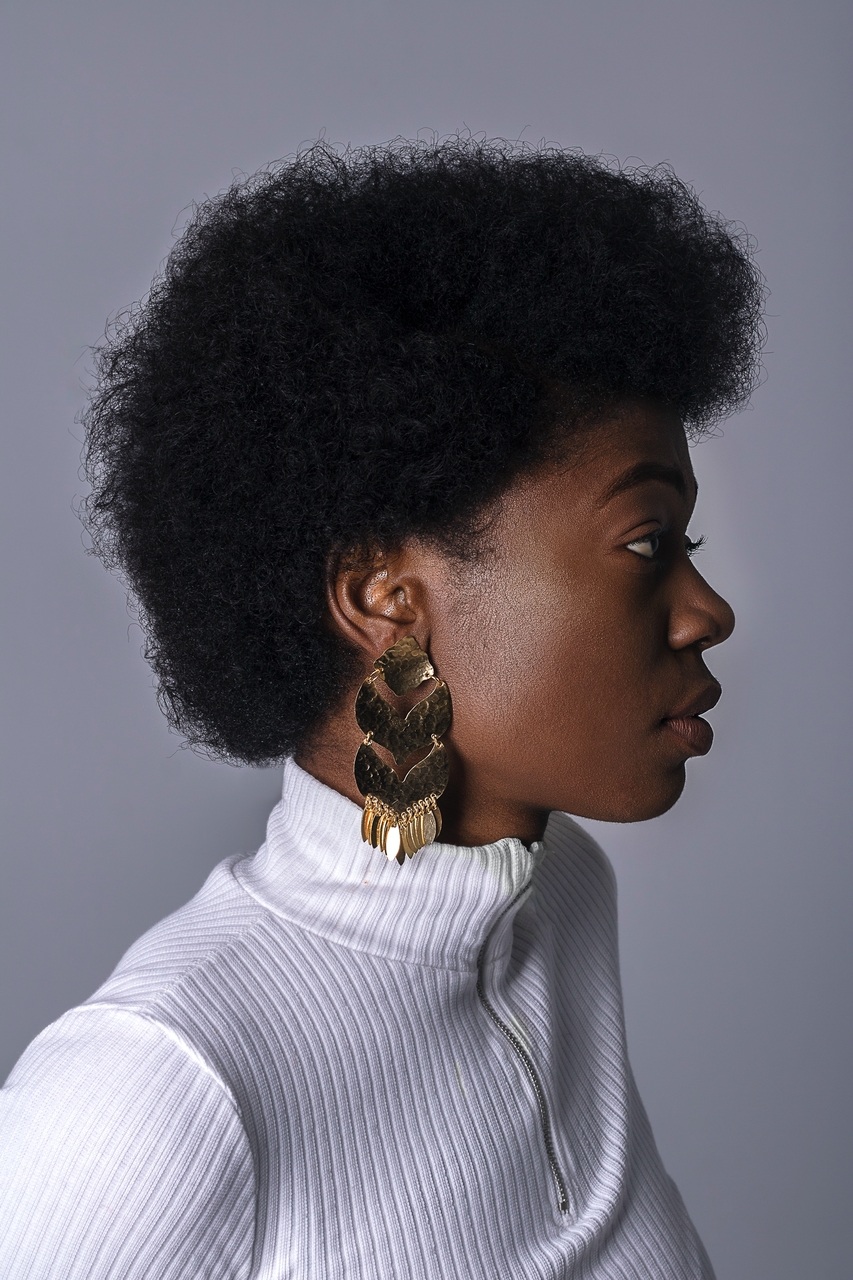
Have you gone through the hair transition, or are you now wanting your chemically treated hair to return to its natural curvature? To do so, it is essential to go through the transition process, where chemicals are set aside for the hair, making room for new cuts (to remove chemically treated strands) and products that help maintain hydration, along with hairstyles that “disguise” the different textures.
To start the transition, you must choose between: cutting the chemically treated strands (known as the big chop) or opting for the natural transition, keeping the chemically treated part until the desired length to make the cut. Below, check out some essential tips for doing the hair transition.
Big chop: Ideal for those who don’t want to go months with two different hair textures during the transition. The strands are cut super short and must be done by an expert hairdresser, who will evaluate and suggest the best cut options for your hair type.
Cronograma Capilar: The hair chronogram is a protocol using treatment masks for the specific needs of your hair, following three steps: hydration, nutrition, and reconstruction. Each step is alternated during hair washes, and each mask will be used according to what your hair needs.
To understand what steps your hair needs, it’s important to perform a strand porosity test.
Umectação dos Fios: Additionally, you can include humectation before washing your hair. This process involves: separating your hair into sections and applying vegetable oil along the length and ends, ensuring the strands are fully covered by the product.
Leave the oil in for at least two hours, then wash with shampoo to remove all the oil, apply conditioner, and finish your hair as usual. What’s the result? Shinier, softer, frizz-free hair!
So, are you going through or have you gone through the hair transition?