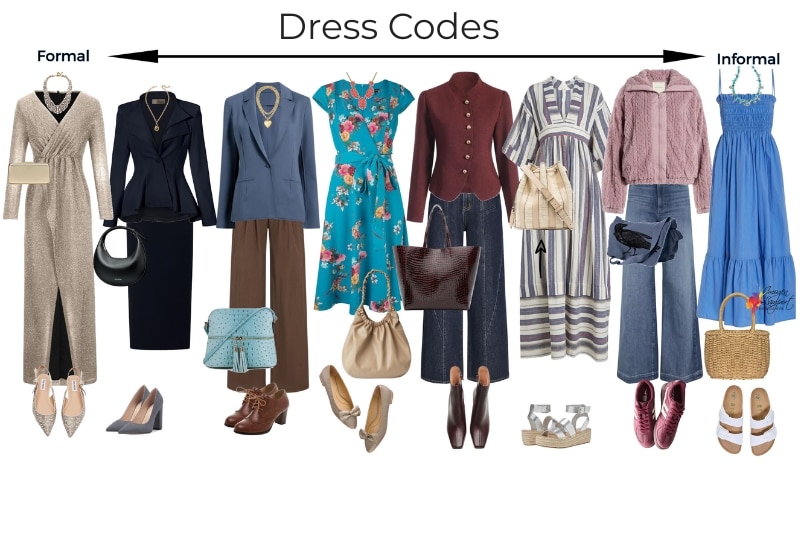
Dress codes might seem subtle—and you may even feel they’re outdated—but they still play a powerful role in shaping how we’re perceived and how we interact with others. Understanding the psychology behind dress codes allows you to move through different situations with both confidence and style, whether you’re attending a casual outing, a dinner party, or a job interview.
What we wear communicates far more than just personal style. It sends clear signals about our values, who we are, and how we fit into various social and professional settings. By learning how dress codes influence perception, behaviour, and even success, you can make more intentional choices that align with your goals and the environment you’re in.
The Unspoken Rules of Different Environments
Each setting—whether social, professional, or casual—comes with its own set of unspoken expectations about what is considered appropriate to wear. These guidelines are shaped by cultural norms, historical influences, and social hierarchies.
Being able to recognise and interpret these subtle cues gives you an advantage, helping you feel more confident and ensuring you make the right impression in any situation.
Professional Environments
Dress codes in the workplace can differ widely depending on the company culture and industry. While formal corporate settings often call for business attire—such as suits, dresses, and polished shoes—more creative fields or startups may lean towards relaxed options like smart casual or even casual wear.
No matter the specific dress code, your appearance should always communicate professionalism. This can come through in how well-groomed you are and how sharp and intentional your clothing looks.
How to Appear More Professional
One simple way to elevate your look is by incorporating collars, which are a key feature in more formal clothing. Wearing collared shirts or structured jackets can instantly make your outfit feel more polished.
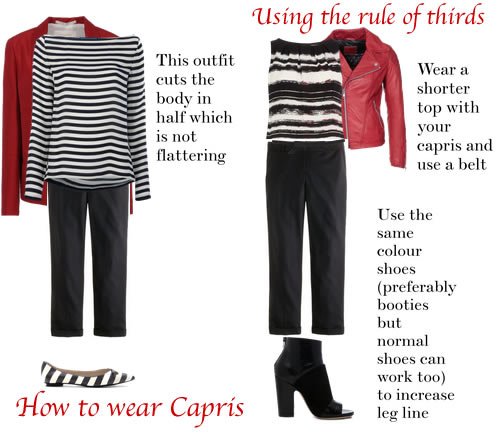
In addition, choosing garments with more structure—especially those made from woven fabrics rather than knits—can enhance a professional appearance. Sticking to a base of neutral colours, while adding small pops of colour, is another effective way to create a refined and professional outfit.
Social Settings
In social situations, dress codes may feel more relaxed, but they are still shaped by the context. For example, events like weddings or formal dinners usually call for semi-formal or formal attire, where wearing jeans would generally be inappropriate.
In more casual settings—such as a day out or a gathering with friends—comfort often becomes more important, but it should still stay within appropriate boundaries. A simple combination like jeans and a jumper in winter works well for something like a casual movie night. However, overly casual options like gym wear are best avoided unless the activity actually involves going to the gym or something like a walk in the park.
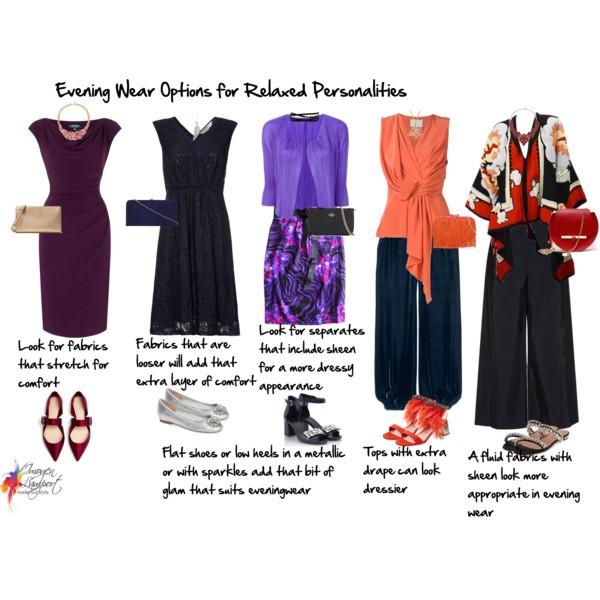
Fabric choice also plays a role. Materials like chiffon, which are lighter and more sheer, tend to feel more dressed-up and are better suited to social occasions rather than a business environment.
Casual Settings
Even in very relaxed environments, there are still certain expectations. What you’d wear to the grocery store is different from what you’d choose for a day at the beach. While comfort plays a big role, it’s still important to think about how your outfit fits the occasion.
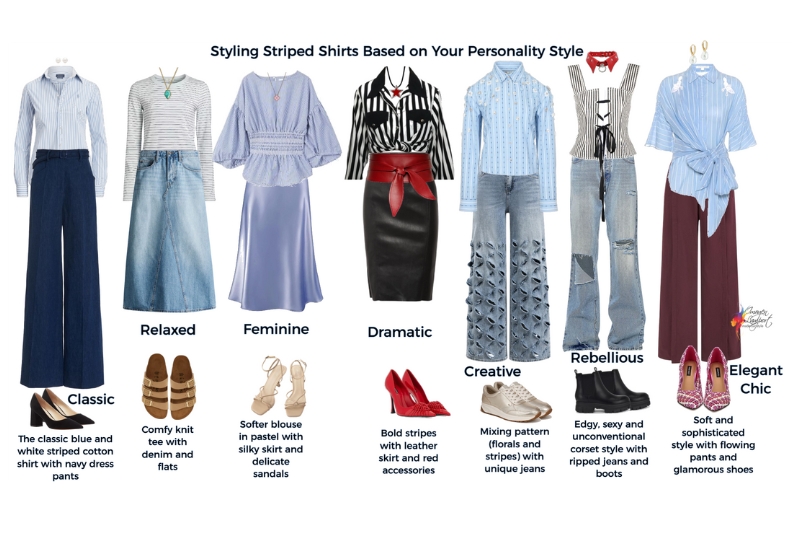
A casual look can absolutely reflect your personality and style while still appearing polished and confident. The key is good fit—because no matter how relaxed the outfit is, sloppy pieces never add style.
Accessories also make a big difference in completing your look. Adding something simple, like a scarf or a necklace, can provide that final touch. And if you’re looking for more ideas on how to accessorise, you might want to explore my book The Finishing Touch.
A more formal pair of trousers can easily be dressed down with a denim jacket.
The Impact of Dress Codes on Perceptions
The psychology behind dress codes is rooted in how they influence the way others see us. When we align our clothing with the expectations of a particular environment, it signals awareness, respect, and an ability to read the room. On the other hand, ignoring these unspoken guidelines can make us appear out of place, disengaged, or even unprofessional.
For example:
Professional Success:
Dressing in a way that reflects the company culture in the workplace shows that you understand the environment and are ready to contribute. In a more traditional office, a well-tailored suit can convey authority and reliability. Meanwhile, in a relaxed workplace, neat yet casual attire can communicate adaptability, creativity, and approachability.
Social Success
Following the expected dress code in social situations can help you feel more comfortable and be more easily accepted by others. When your outfit aligns with the occasion, it supports your ability to engage and connect.
If you show up to a formal event dressed too casually, it may come across as a lack of respect for the host’s expectations, and you might end up feeling awkward or out of place. On the flip side, being overdressed for a relaxed event can also create discomfort.
I remember a client who shared that she wore the same outfit—a pair of black dress pants and a black top—for almost every situation, whether it was work, going out for drinks, or social events. One day, she wore this outfit to a summer Sunday barbecue, only to find that the other women were dressed in colourful, patterned dresses. In that moment, she realised that her one-size-fits-all approach didn’t work, and it left her feeling quite uncomfortable.